
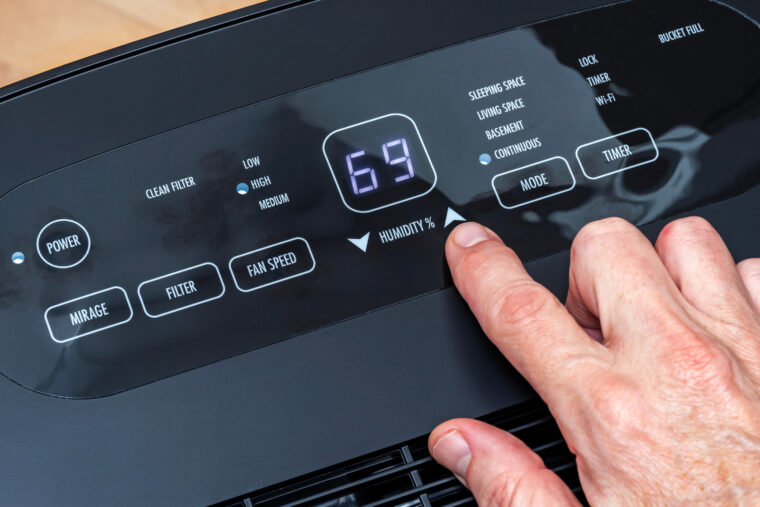
If your basement feels damp, smells musty, or consistently shows humidity levels around 70%, you’re not alone. Summer is often the worst season for basement moisture problems because warm outdoor air contains more water vapor. When that humid air enters a naturally cool basement, condensation can form on walls, pipes, floors, and other surfaces.
The good news is that reducing basement humidity doesn’t always require expensive renovations. Understanding why your basement is humid in the first place can help you choose the most cost-effective solution.
Is 70% Humidity Too High for a Basement?
Yes. A basement humidity level of 70% is generally considered too high. Most experts recommend maintaining basement humidity between 30% and 50%, with 40% to 50% being ideal for most homes.
When humidity rises above 60%, several problems become more likely:
- Mold and mildew growth
- Musty odors
- Dust mite infestations
- Wood rot and structural damage
- Rust on tools and appliances
- Peeling paint and damaged drywall
At 70% humidity, mold can begin growing on many common household materials, especially cardboard, wood, insulation, and drywall.
If your basement consistently measures 70% or higher, it’s worth taking action before moisture damage worsens.
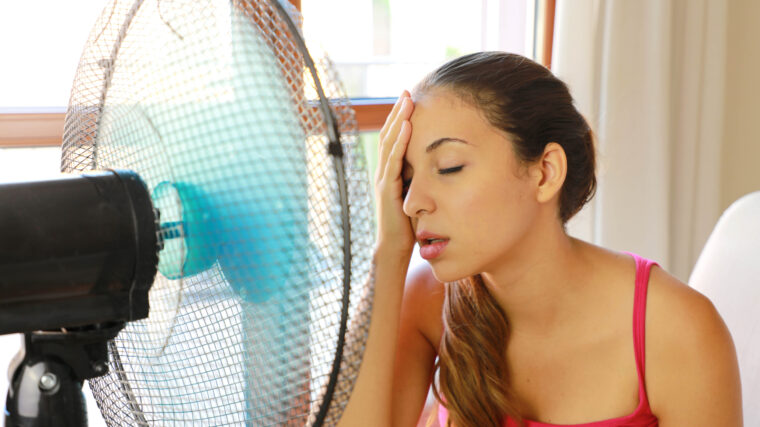
Warm Summer Air
When warm outdoor air enters a cool basement through windows, doors, or cracks, the air cools down and releases moisture. This is similar to how cold drink “sweats” on a hot day.
Moisture Through Concrete
Concrete walls and floors are porous. Even when water isn’t visibly leaking into the basement, moisture can slowly migrate through concrete from the surrounding soil.
Poor Drainage Outside
Improper grading, clogged gutters, or short downspouts can allow rainwater to collect around your foundation. That moisture eventually finds its way into the basement.
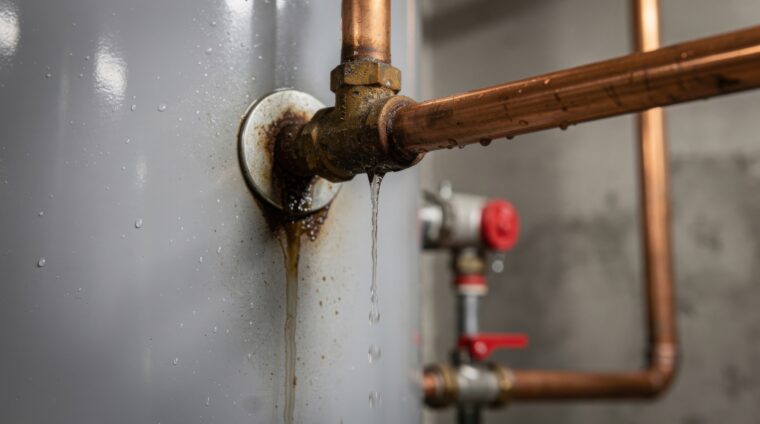
Plumbing Leaks
Small leaks from water heaters, pipes, washing machines, or utility sinks can add significant moisture over time.
Groundwater Pressure
In some areas, groundwater naturally pushes against basement walls. This hydrostatic pressure can force moisture through tiny cracks and pores.
How to Make a Basement Less Humid in the Summer
Use a Dehumidifier
A dehumidifier is often the fastest and most effective way to lower humidity.
Modern basement dehumidifiers can remove dozens of pints of moisture from the air each day and can quickly reduce humidity from 70% to the recommended 45 – 50% range.
For best results:
- Set humidity to 45 – 50%
- Keep doors and windows closed
- Clean the filter regularly
- Use a continuous drain if possible
Improve Air Sealing
Seal gaps around:
- Windows
- Utility penetrations
- Pipes
- Foundation cracks
- Door thresholds
Reducing humid air infiltration means your humidifier won’t have to work as hard.
Improve Exterior Drainage
Simple improvements can dramatically reduce basement moisture:
- Clean gutters regularly
- Extend downspouts at least 6 feet from the foundation
- Regrade soil so it slopes away from the house
- Repair leaking outdoor faucets
Insulate Cold Surfaces
Uninsulated cold-water pipes often collect condensation.
Pipe insulation is inexpensive and can significantly reduce moisture.
Avoid Opening Basement Windows
Many homeowners assume opening windows will dry out the basment.
During summer, the opposit is often true.
Warm, humid outdoor air usually increases humidity instead of reducing it.
How to Get Rid of the Humidity Smell in a Basement
The characteristic “basement smell” is usually caused by mold spores, mildew, and microbial growth resulting from excessive moisture.
Removing the smell requires eliminating the moisture source first.
Step 1: Lower Humidity
Until humidity drops below 60%, odors will often return.
Step 2: Remove Moldy Materials
Check:
- Cardboard boxes
- Carpeting
- Old furniture
- Stored clothing
- Ceiling tiles
These materials can absorb odors and continue releasing them into the air.
Step 3: Clean Surfaces
Wash affected surfaces using:
- Mild detergent
- Vinegar solutions
- Mold-removal products where appropriate
Step 4: Increase Air Circulation
Fans help prevent stagnant air pockets where mold and odors thrive.
Step 5: Use Activated Charcoal
Activated Charcoal can help absorb lingering odors after moisture levels are controlled.
What is the Cheapest Way to Dehumidify a Basement?
The cheapest long-term solution depends on the cause of the moisture.
Option 1: Improve Drainage
If gutters and grading are the main issue, correcting them may provide the largest benefit for the least money.
Typical cost:
- Downspout extensions: $20-$100
- Gutter cleaning: minimal DIY cost
- Minor grading improvements: often inexpensive
Option 2: Use a Dehumidifier
For many homeowners, a dehumidifier is the most affordable and practical solution. A quality basement dehumidifier may cost $200-$400 and can immediately lower humidity. However, remember a dehumidifier is one of the costliest appliances to run and monthly electrical bills can easily add up.
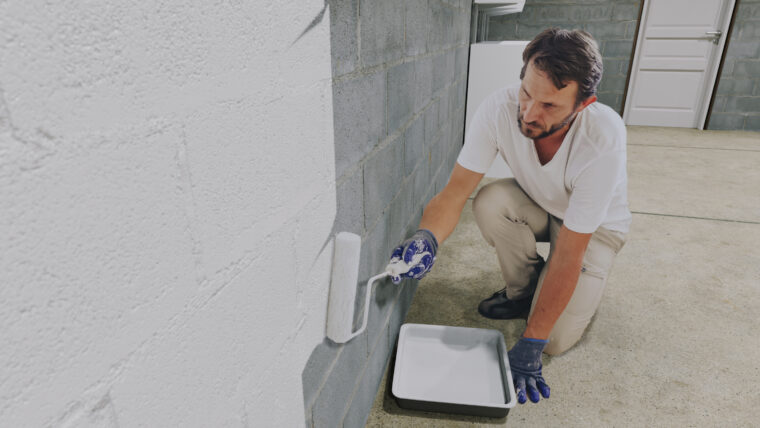
Option 3: Seal Walls with Waterproofing Paint such as DRYLOK
DRYLOK is a waterproofing coating designed to reduce moisture transmission through masonry walls.
Material costs are generally much lower than professional waterproofing systems.
However, DRYLOK does not remove moisture already in the air. It works best when moisture is entering through concrete walls rather than from indoor air infiltration or drainage issues.
Dehumidifier Cost vs Waterproofing with DRYLOK
Many homeowners wonder whether it’s cheaper to run a dehumidifier continuously or waterproof the basement walls.
A typical basement dehumidifier consumes approximately 500 – 800 watts while operating.
Assuming:
- 700 watts average power
- 12 hours per day
- Electricity cost of $0.16 per kWh
Monthly operating cost will be about $40-$50 per month. Cost could be higher during especially humid summers.
For an average basement, DRYLOK Materials often cost $100-$300. DIY application requires labor but no monthly operating cost.
Which Is Better?
DRYLOK helps reduce moisture entering through masonry surfaces.
A dehumidifier removes moisture already present in the air.
In many cases, the most effective strategy is combining both approaches:
- Reduce moisture intrusion with drainage improvements and wall sealing.
- Use a dehumidifier to maintain ideal humidity levels.
This combination often lowers energy costs because the dehumidifier runs less frequently.
By controlling humidity before mold develops, homeowners can create a cleaner, healthier, and more comfortable basement throughout the summer.


