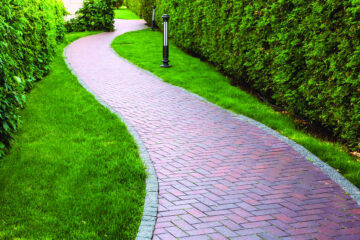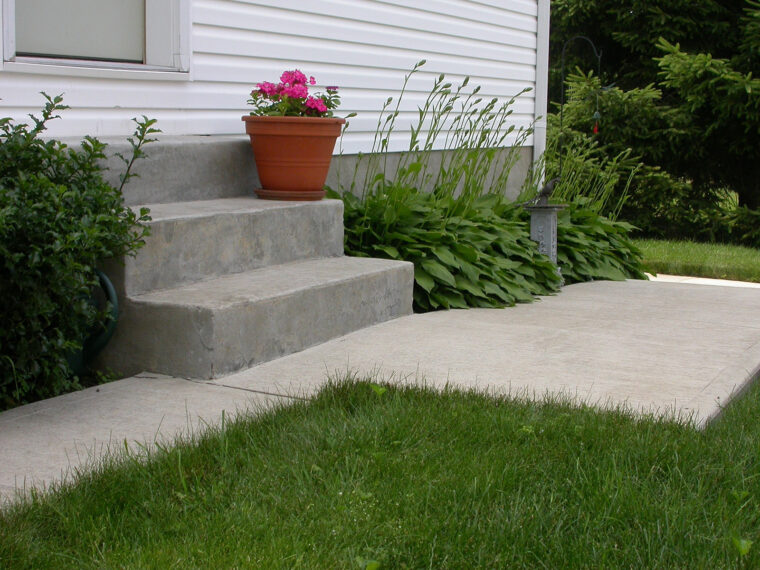
As temperatures begin to drop and fall gives way to winter, it’s time to think about protecting outdoor masonry and concrete from moisture, freezing temperatures, road salt, and seasonal weather. Brick, concrete, stone, stucco, and other porous masonry surfaces can absorb water. When that moisture gets into the surface and temperatures fall below freezing, repeated freeze-thaw cycles can contribute to cracking, spalling, staining, and other forms of deterioration.
One way to help protect these surfaces before winter arrives is with a quality masonry sealer.
What Is a Masonry Sealer?
A masonry sealer is a protective coating or penetrating treatment designed to help reduce the amount of water and other contaminants that can enter porous surfaces such as concrete, brick, stone, and masonry.
Depending on the formula, a sealer can provide different levels of protection and different appearances. Some sealers create a visible finish, while penetrating sealers are designed to soak into the surface with little or no change to its appearance.
Masonry sealers can help protect against problems associated with:
- Water penetration
- Freeze-thaw cycles
- Efflorescence and mineral staining
- De-icing salts
- Dirt and stains
- Weather and UV exposure
- Surface deterioration
It’s important to understand that a clear masonry sealer is not the same thing as a masonry waterproofer. Sealers are generally intended to repel water and protect the surface, while waterproofers are designed for a different level of water-resistance and application. Always choose a product based on the condition and intended use of the surface.
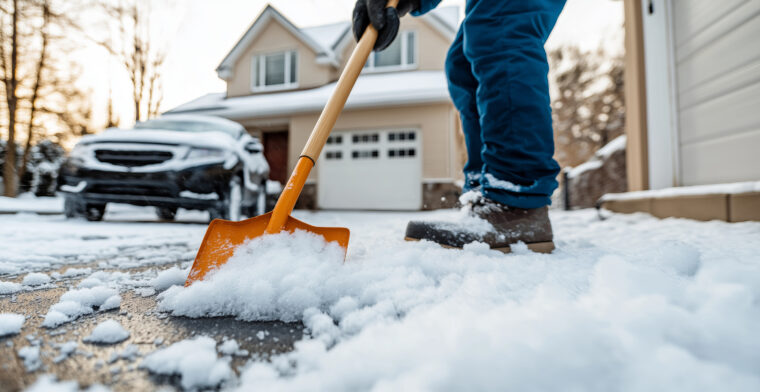
Why Seal Masonry Before Winter?
Fall is an ideal time to inspect and protect masonry before winter weather arrives.
Concrete driveways, sidewalks, patios, brick walkways, retaining walls, exterior brick, and other masonry surfaces can be exposed to rain and melting snow throughout the colder months. Water that enters porous masonry can freeze and expand, potentially contributing to surface damage over repeated freeze-thaw cycles.
A sealer can help reduce water absorption and provide an additional layer of protection before the harshest weather arrives.
For example, DRYLOK® Concrete Protector is specifically designed to help protect against freeze/thaw and sun damage, while its SaltLOK® Technology helps prevent the leaching of minerals and salt.

When Should You Apply Masonry Sealer?
The best time to seal masonry is before winter weather sets in — not after the surface is already exposed to prolonged freezing and moisture.
For the DRYLOK® clear sealers discussed below, application generally calls for air and surface temperatures of 50°F or higher, along with a dry, rain-free period.
That makes early fall an excellent time to plan a sealing project, provided there is enough warm, dry weather for the product to properly cure.
Before applying any sealer, check the product label for the current temperature, drying, curing, and weather requirements.
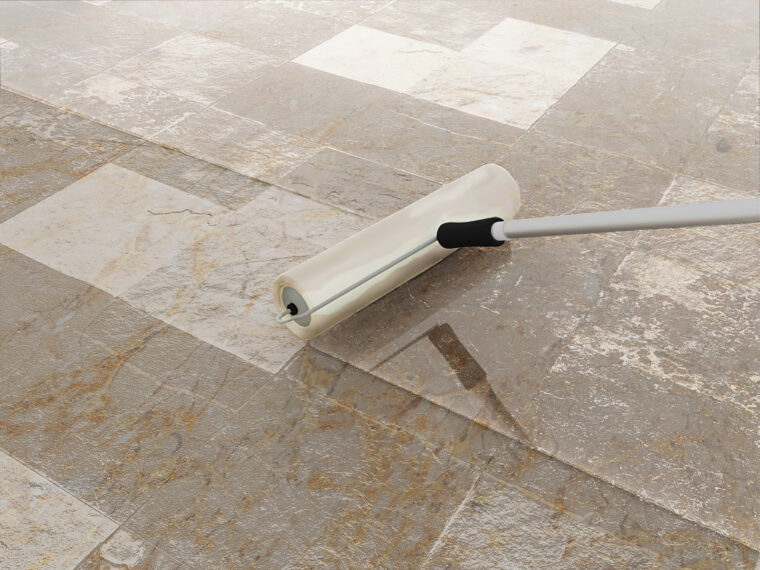
How to Apply a Masonry Sealer
Proper preparation is just as important as choosing the right sealer.
1. Inspect the Surface
Look for cracks, damaged mortar joints, loose material, peeling coatings, stains, efflorescence, and areas where water may be collecting.
Repair cracks and damaged areas with an appropriate masonry or concrete repair product and allow repairs to cure as directed.
2. Clean the Masonry
Remove dirt, dust, grease, oil, mildew, loose material, and other contaminants. Efflorescence — those white, powdery mineral deposits often seen on masonry — should also be removed because it can interfere with the sealer’s ability to bond or penetrate properly.
For example, it’s recommended to clean and, where appropriate, etch surfaces before applying several of its clear sealers.
3. Make Sure the Surface Is Dry
Don’t rush this step, especially in fall.
Masonry can look dry on the surface while still holding moisture below the surface. We recommend a moisture test for certain concrete applications using a taped piece of plastic or aluminum foil; if moisture is present after 24 hours, additional drying time is needed.
For DRYLOK® Siloxane 7, it is recommended to apply after a dry spell of two or three days for best results.
4. Apply the Sealer Evenly
Depending on the product, application methods can include a brush, roller, sprayer, pad applicator, or squeegee.
Apply a thin, even coat and avoid puddles or excessive buildup. Extremely porous surfaces may require an additional coat, depending on the product directions.
5. Allow Adequate Drying and Curing Time
Don’t judge the project by whether the surface simply “feels dry.” Dry time and full cure time can be different.
For example, DRYLOK® Concrete Protector is dry to the touch in approximately 45 minutes, but full cure can take 24 – 48 hours. DRYLOK® WetLook has a one-hour dry time, while automobile traffic should be avoided for 72 – 96 hours.
This is particularly important when sealing in the fall. Give the product enough time to cure before rain, freezing temperatures, or heavy traffic arrive.
Which DRYLOK® Masonry Sealer Is Right for Your Project?
DRYLOK® offers several clear sealing options, each designed for different surfaces, appearances, and performance needs.
If you’re looking for protection and a high-gloss appearance, DRYLOK® WetLook Clear High Gloss Penetrating Sealer is designed for concrete and masonry surfaces where a wet-look finish is desired.
It can be used on surfaces including concrete, brick, terrazzo, slate, masonry, and Chattahoochee stone. The water-based sealer provides a high-gloss finish and is formulated to resist de-icing salts and weather exposure.
Best for: Driveways, garage floors, patios, walkways, brick, and other masonry where a glossy decorative finish is desired.
Finish: High gloss.
Application: Brush, roller, pad applicator, garden sprayer, or squeegee.
Fall/winter consideration: Its resistance to de-icing salts makes it a useful option for surfaces that may encounter winter salt, but be sure to allow the recommended drying and curing time before winter weather or vehicle traffic.
For homeowners who want protection without significantly changing the appearance of the masonry, DRYLOK® Natural Look Curing Membrane & Penetrating Sealer provides a matte finish with minimal film buildup.
It is suitable for interior and exterior surfaces including concrete driveways, sidewalks, patios, garage floors, brick, slate, terrazzo, and masonry. The product is designed to repel water and resist stains while helping protect against cracking, delamination, and spalling.
Best for: Concrete and masonry where maintaining a more natural appearance is important.
Finish: Matte/natural look.
Application: Brush, roller, sprayer, or squeegee.
Fall/winter consideration: A natural-looking penetrating treatment can be a good choice when you want protection without adding a noticeable glossy coating.
DRYLOK® Protector Clear Low Sheen Penetrating Sealer is designed with seasonal exposure in mind. The product helps protect concrete and masonry from freeze/thaw and sun damage, while SaltLOK® Technology helps address mineral and salt-related staining. It can be used on surfaces such as concrete driveways, garage floors, sidewalks, block retaining walls, brick siding and walkways, and terrazzo.
Best for: Areas that experience demanding outdoor weather conditions and seasonal freeze-thaw exposure.
Finish: Low-sheen/satin appearance.
Application: Brush, roller, pad applicator, sprayer, or squeegee.
Fall/winter consideration: This is a particularly relevant option when your primary concern is protecting masonry and concrete from seasonal weather, freeze/thaw conditions, and salt exposure.
DRYLOK® Siloxane 7 Brick & Masonry Penetrating Sealer takes a different approach. Instead of creating a visible film, it penetrates the masonry and provides an invisible water-repellent barrier without changing the look or texture of the surface.
It is designed for exterior, above-grade brick and masonry surfaces, including walls, facades, and chimneys.
Best for: Exterior brick, masonry walls, chimneys, and other surfaces where preserving the original appearance is a priority.
Finish: Invisible/no visible sheen.
Application: Brush, roller, or sprayer.
Fall/winter consideration: Because exterior walls and chimneys are exposed to rain, snow, and wind-driven moisture, applying Siloxane 7 before winter can help reduce water absorption while maintaining the original appearance of the masonry.
Don’t Wait Until the First Freeze
Fall maintenance is about getting ahead of winter rather than reacting to damage after it happens. Before temperatures consistently drop, inspect your concrete and masonry, clean and repair the surface, and determine whether it would benefit from a protective sealer.
The key is to allow enough time for proper preparation, application, and curing while temperatures are still suitable. For DRYLOK® clear sealers, that generally means planning the work while both the air and surface are at least 50°F and choosing a period with dry weather. A little preparation in the fall can go a long way toward helping your masonry face the rain, snow, ice, salt, and freeze-thaw cycles of winter.