
It usually starts the same way.
You walk into the basement, garage, or laundry room and notice the floor has seen better days. Hairline cracks snake across the concrete. Old paint is peeling. Maybe there’s a rough patch where moisture once got in. You’re ready to refresh the space — but then the questions start popping into your head.
How do you fill cracks in concrete before painting?
What’s the best thing to use to patch concrete?
How long after patching concrete can you paint?
You’re not alone. These are some of the most searched questions on Google — and for good reason. Concrete painting success is all about prep. Let’s walk through it step by step, just like a real project.
How to Prepare an Old Concrete Floor for Painting
Before you even think about opening a can of paint, the concrete has to be sound, clean, and dry.
Older concrete floors collect everything over the years: dust, oil, grease, cleaners, and even moisture. Start by sweeping and vacuuming thoroughly. Degrease any oily areas and rinse well. If the concrete is very smooth or glossy, lightly grinding or etching helps open the pores so patching materials and paint can bond.
This step answers one of the most common questions homeowners ask:
How do you prepare an old concrete floor for painting?
The short answer is: clean it like paint depends on it — because it does.
How to Fill Cracks in Concrete Before Painting
Once the floor is clean, the cracks are impossible to ignore — and they shouldn’t be.
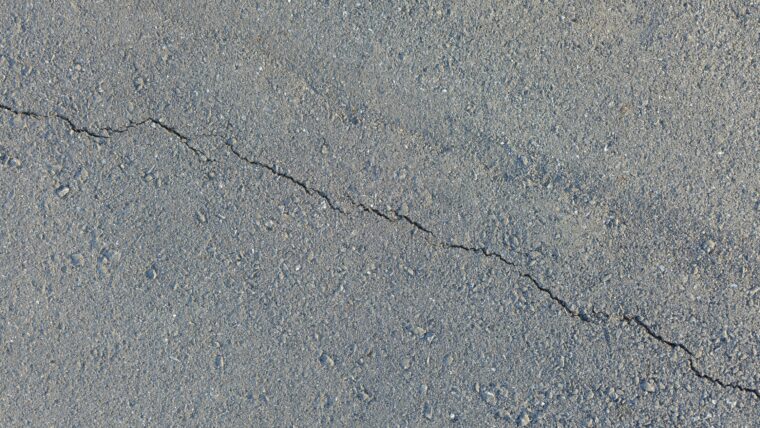
Small cracks may look harmless, but if you paint over them, they’ll telegraph right through the coating or reopen later.
So, how do you fill cracks in concrete before painting?
First, clean each crack with a stiff brush or vacuum to remove loose debris. Very tight cracks should be slightly widened so the repair material can properly bond. Then it’s time to choose the right filler.
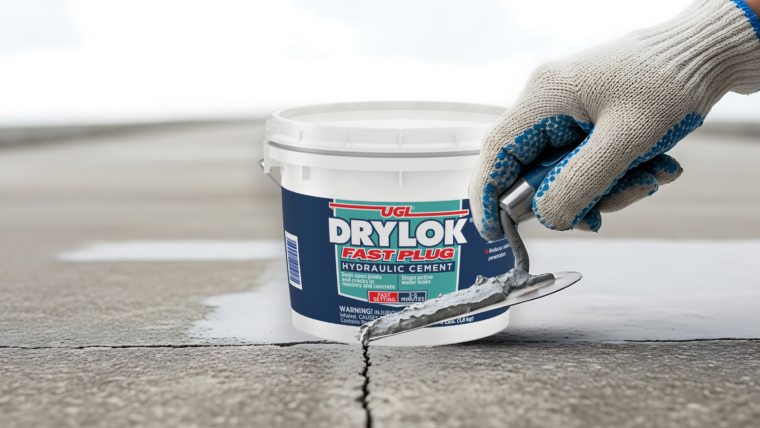
For hairline cracks and small repairs, Sikacryl® Ready-Mix Concrete Patch is an easy-to-use, acrylic-based, textured concrete patch for repairing spalls and cracks in concrete and masonry that cures to a tough and durable finish. For deeper cracks, holes, or areas where moisture may be present, DRYLOK® Fast Plug Hydraulic Cement is a go-to solution because it expands as it sets and locks into place.
For long horizontal cracks, especially on floors, a Sikaflex®+ Crack Flex Sealant works exceptionally well because it flows into the crack and remains flexible.
What Is the Best Thing to Use to Patch Concrete?
This is one of the most searched questions online — and the honest answer is: it depends on the damage.
The best thing to use to patch concrete depends on the size, depth, and location of the repair:
- Small surface cracks or divots: Sikacryl® Ready-Mix Concrete Patch
- Deep holes or fast repairs: DRYLOK® Fast Plug Hydraulic Cement
- Wide or moving cracks: Sikaflex®+ Crack Flex Sealant
- Textured areas that need blending: Sikacryl® Ready-Mix Concrete Patch
All of these products are designed to be paintable, which is critical when finishing with a coating like DRYLOK® Latex Concrete Floor Paint.
How Long After Patching Concrete Can You Paint?
This is where patience pays off — and rushing causes failure.
So, how long after patching concrete can you paint?
Some fast-setting products, like DRYLOK Fast Plug, set in minutes but still need proper curing time before painting. Many SIKA Pro Select patching products are paintable in as little as 24 hours, depending on thickness, temperature, and humidity.
Always follow the manufacturer’s instructions, but as a general rule:
👉 The patch must be fully cured and completely dry before painting.
If moisture is trapped under the paint, blistering and peeling are almost guaranteed.
What Is the 20÷30÷40 Rule in Concrete?
If you’ve been researching concrete prep, you may have come across another common Google search:
What is the 20÷30÷40 rule in concrete?
This guideline helps explain why concrete coatings sometimes fail:
- 20% moisture content or less is ideal for coatings to adhere
- 30 days is the typical minimum cure time for new concrete before painting
- 40%+ humidity or damp conditions can interfere with curing and adhesion
In simple terms, concrete needs time to dry and breathe. Even old concrete can hold moisture, which is why moisture testing is so important before painting.
How to Paint Over a Previously Painted Concrete Floor
Another frequent question is:
How do you paint over a previously painted concrete floor?
The good news is — with DRYLOK® Concrete Floor Paint, you can.
If the existing paint is in good shape, clean it thoroughly and lightly sand or dull the surface so the new coating can bond. Any peeling or flaking paint must be scraped or ground off completely. Patch bare spots with SIKA or DRYLOK repair products, let them cure, and then repaint.
If the old coating is DRYLOK® and still well adhered, it’s often compatible with a fresh coat of DRYLOK Latex Concrete Floor Paint, making refresh projects much easier.
How to Patch Concrete Before Painting with DRYLOK® Latex Concrete Floor Paint
When your goal is a long-lasting painted floor, patching is not optional — it’s essential.
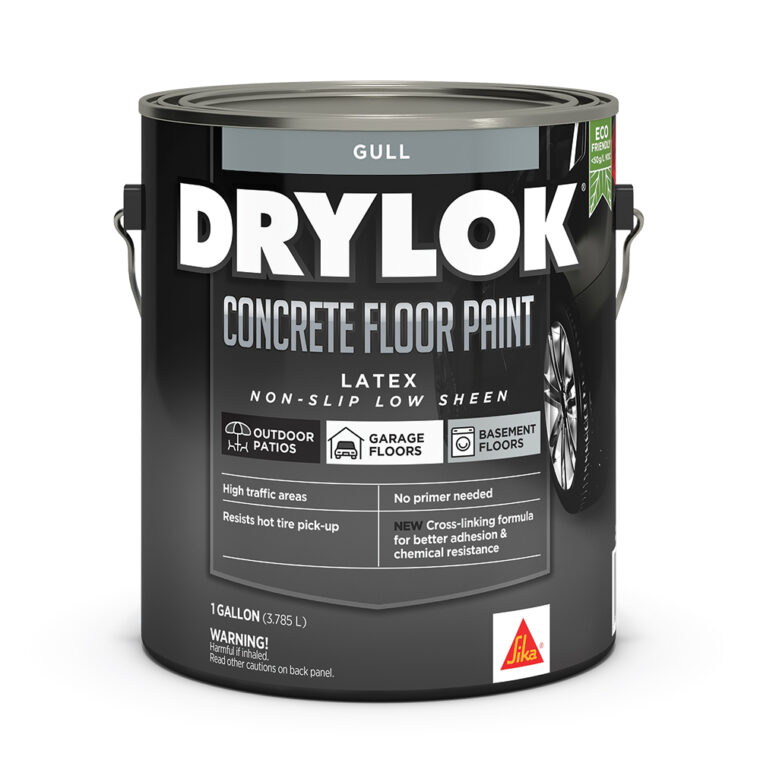
Before applying DRYLOK Latex Concrete Floor Paint, every crack, hole, and surface defect should be repaired. SIKA Pro Select patching products create a smooth, stable surface, while DRYLOK Fast Plug handles deeper problem areas. Once repairs are cured, the floor should be clean, dry, and uniform — the perfect foundation for paint.
Two coats of DRYLOK Latex Concrete Floor Paint applied according to label directions will give you a durable, attractive finish that resists peeling, scuffing, and moisture.
The Takeaway: Prep Is the Project
Painting concrete isn’t just about color — it’s about preparation. Filling cracks properly, choosing the right patching materials, respecting cure times, and understanding moisture are what separate a floor that lasts from one that fails.


