Concrete is one of the most durable building materials available, but it isn’t indestructible. Over time, even well-poured concrete can crack, discolor, or weaken if it’s exposed to the wrong conditions or not properly maintained. Understanding what damages concrete — and how to prevent and repair it — can help you extend its lifespan and keep it looking its best.
What Destroys Concrete Quickly?
Several factors can accelerate the deterioration of concrete:
- Water intrusion is one of the biggest culprits. When water seeps into concrete and freezes, it expands, causing cracks and surface flaking (spalling).
- Deicing salts and chemicals can break down the surface, especially in colder climates where freeze-thaw cycles are common.
- Heavy loads or impacts beyond what the concrete was designed to handle can lead to structural damage.
- Poor installation practices, such as improper curing or mixing, can make concrete more vulnerable from the start.
What Weakens Concrete Over Time?
Even if Concrete isn’t immediately destroyed, several factors can gradually weaken it:
- Repeated freeze-thaw cycles slowly expand and contract the material, creating internal stress.
- Moisture penetration can corrode reinforcing steel (rebar), leading to internal cracking.
- UV exposure and weathering can degrade the surface, causing fading and minor erosion.
- Soil movement beneath slabs can create uneven support, leading to cracks.
How to Protect Concrete from Cracking and Discoloration
Preventive care is the most effective way to preserve concrete. Here are some key steps:
- Seal the surface regularly. Applying a high-quality sealer helps block moisture and chemicals. Products like DRYLOK Clear Concrete Masonry Sealers provide a protective barrier while maintaining the natural look of the concrete.
- Ensure proper drainage. Keep water from pooling on or around concrete surfaces by maintaining gutters and grading.
- Avoid harsh chemicals. Use concrete-safe alternatives instead of corrosive deicers when possible
- Control joints and expansion joints. These allow concrete to expand and contract without cracking.
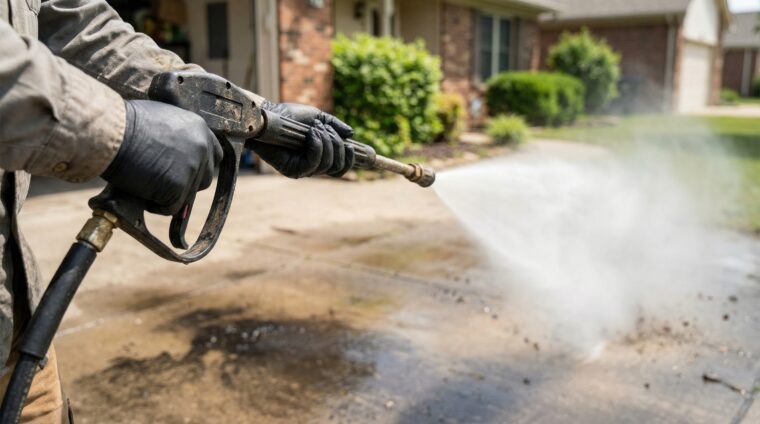
- Clean surfaces periodically. Removing dirt, oil, and debris helps prevent staining and surface breakdown.
How to Repair Cracks in Concrete
Even with the best care, cracks can still occur. The key is to address them early before they worsen.
- Clean the crack thoroughly. Remove loose debris, dust, and moisture to ensure proper adhesion.
- Use a reliable crack filler. Products like DRYLOK Croncrete Crack Filler are designed to seal and stabilize cracks, preventing water from entering and causing further damage.
- Smooth and blend the repair. This helps maintain a uniform appearance and prevents weak points.
- Reseal the surface. After repairs, applying a protective sealer — such as DRYLOK Clear Concrete and Masonry Sealer — helps protect both the repaired area and the surrounding surface.
Concrete is tough, but it performs best when it’s protected and maintained. By understanding what causes damage, taking preventative steps like sealing and proper drainage, and addressing cracks early with the right repair materials, you can significantly extend the life and appearance of your concrete surfaces. Thoughtful care today can prevent repairs tomorrow.