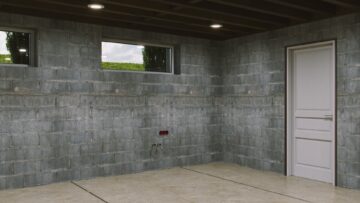
When homeowners think about basement waterproofing, they often picture spring storms or summer humidity. While spring may be the best time to waterproof, due to temperature, spring is often the wettest time of the year. Here’s the truth: winter is actually one of the best times to plan your basement waterproofing projects. While cold weather may not seem ideal, the conditions — and the timing — set you up for smarter decisions, faster scheduling, and better long-term results.
Debunking the Myth: “You Can’t Waterproof in Winter”
A common misconception is that waterproofing in winter isn’t possible. While some exterior foundation work may be limited by frozen ground, interior waterproofing solutions can be planned — and often completed — year-round. Simply check the temperature conditions on the label and confirm the actual temperatures of the project.
Products like DRYLOK® Masonry Waterproofer are designed for seasonal water issues and interior foundation walls, making them ideal for winter assessment and application.
Why Moisture Issues Show Up More in Winter
- Stack effect pulls warm air upward, drawing cold, damp air into the basement.
- Condensation increases when warm indoor air meets cold foundation walls.
- Snowmelt near the foundation can reveal seepage paths.
These seasonal conditions help homeowners better identify issues — and professionals better diagnose long-term solutions.
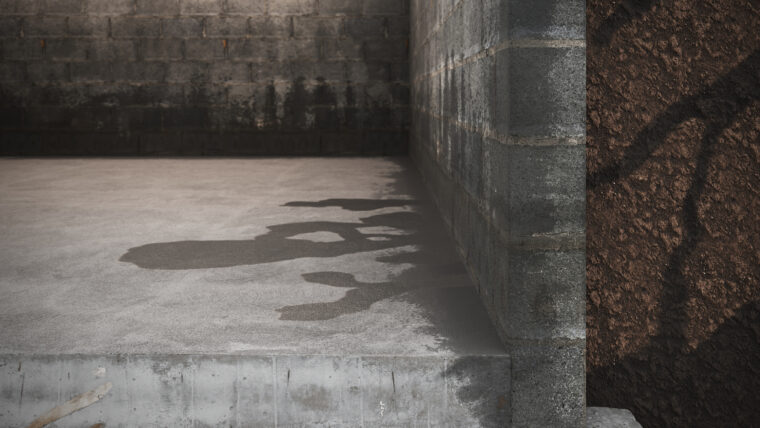
3 Reasons Winter Is the Ideal Time to Plan Waterproofing
1. Easier Scheduling and Shorter Lead Times
Spring and summer are peak seasons for waterproofing services. Planning during winter often gives you greater availability and quicker project turnaround, ensuring your basement is protected before spring rain arrives.
2. More Accurate Moisture Assessment
Winter basement moisture patterns reveal:
- Damp or discolored walls
- Efflorescence
- Cold-weather condensation
- Minor seepage that becomes more visible in cold months
Because interior waterproofers — like DRYLOK Extreme Masonry Waterproofer—can be applied year-round, with the correct temperature conditions, the winter season becomes a strategic time to evaluate and correct problems.
3. Budget Planning Before Peak Season
Winter planning helps homeowners:
- Gather contractor quotes
- Compare interior vs. exterior waterproofing methods
- Avoid peak-season pricing for foundation repairs
- Purchase project materials early, including DRYLOK® products — before demand ramps up in spring
Winter Waterproofing Options
Even if exterior digging isn’t feasible, several interior solutions work perfectly in winter, including:
- DRYLOK Masonry Waterproofer to seal interior walls and resist hydrostatic pressure
- Vapor barriers and sealers
- Sump pump installation and testing
- Interior French drains or drain tile systems
- Crack repair and epoxy injections
These projects protect against basement moisture winter issues and prepare your home for the spring thaw.
What Happens if You Paint Below the Recommended Surface or Air Temperatures?
Painting with DRYLOK when the surface or air temperature is below the recommended range can lead to several performance issues that affect both appearance and long-term protection. In colder conditions, the coating may not cure properly, causing poor adhesion, extended dry times, or a chalky or whitish residue on the surface. Moisture can also become trapped beneath the coating, reducing its ability to form a durable, waterproof barrier and potentially leading to peeling or premature failure. To ensure DRYLOK performs as intended, it’s critical to apply the product only when temperatures and humidity levels meet the guidelines and are expected to remain within that range for the full curing period.
Foundation Waterproofing Tips for Winter
Whether you’re planning or starting work, keep these foundation waterproofing tips in mind:
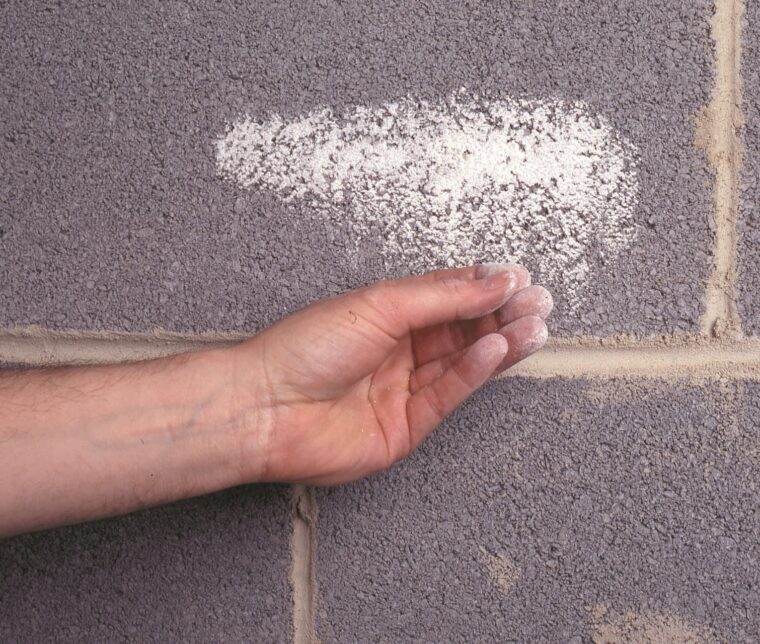
- Inspect walls for efflorescence — white, chalky residue indicating moisture movement
- Identify hairline cracks before they expand
- Check gutters and downspouts to ensure meltwater drains away from the foundation
- Evaluate your sump pump now, before heavy rain season
- Monitor indoor humidity — keep basement levels below 50%
For interior masonry walls showing dampness or seepage, applying DRYLOK Masonry Waterproofer is a reliable and proven winter-friendly solution.

Winter Basement Waterproofing Planning Checklist
Use this simple list to get started:
✔ Identify visible moisture, damp spots, or peeling paint
✔ Check for winter condensation patterns
✔ Note areas with efflorescence
✔ Document cracks or seepage lines
✔ Research interior waterproofing options like DRYLOK
✔ Create your budget and project timeline
✔ Schedule early for any spring exterior work
The Bottom Line
Winter isn’t the off-season — it’s the smart season for basement waterproofing planning. By evaluating moisture issues during the coldest months and using interior solutions such as DRYLOK Masonry Waterproofer, you get clearer insights, better scheduling, and a strong head start on protecting your foundation.
When spring arrives, your basement will already be ready to handle whatever Mother Nature brings.