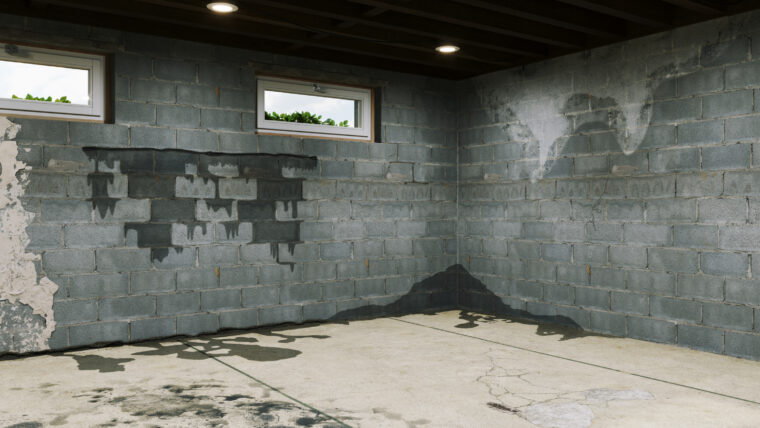
If you’re planning a basement renovation, crawl space encapsulation, or foundation repair, you’ve probably asked yourself, “Is a vapor barrier the same as waterproofing?” The short answer is no—although both help protect your home from moisture, they serve very different purposes.
Choosing the right solution can prevent mold, structural damage, and costly repairs. Understanding when you need a vapor barrier, waterproofing, or both is essential for keeping your home dry and healthy.
What Is a Vapor Barrier?
A vapor barrier is a material — typically heavy-duty polyethylene plastic — that slows or prevents water vapor (moisture in the air) from passing through walls, floors, or crawl spaces.
Its primary purpose is to control humidity and condensation, which can lead to mold growth and wood rot over time.
Common places where vapor barriers are installed include:
- Crawl spaces
- Basement walls
- Under concrete slabs
- Behind drywall in certain climates
- Attics and ceilings
A vapor barrier does not stop liquid water from entering your home. Instead, it limits the movement of moisture vapor.
What Is Waterproofing?
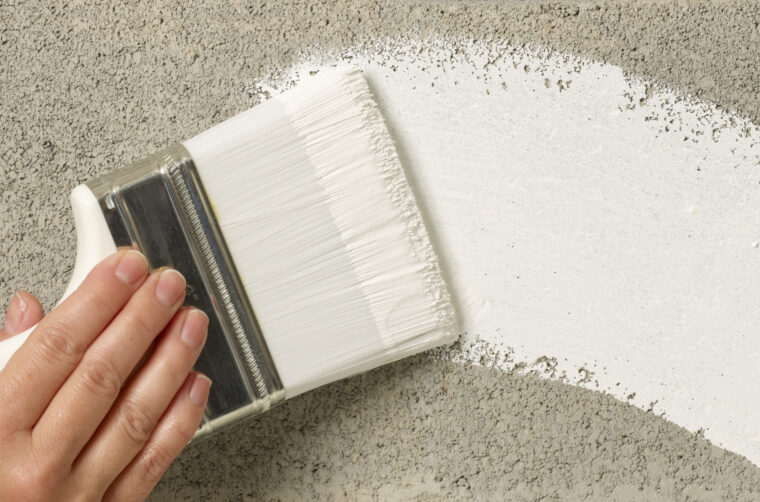
Waterproofing is designed to stop liquid water from penetrating your home’s foundation or building materials.
Waterproofing products include:
- Foundation waterproof coatings
- Elastomeric waterproof membranes
- Cementitious waterproof coatings
- Exterior drainage systems
- Waterproof sealants
Unlike vapor barriers, waterproofing protects against rainwater, groundwater, hydrostatic pressure, and leaks.
Is a Vapor Barrier the Same as Waterproofing?
No.
Think of it this way:
- A vapor barrier controls moisture in the air.
- Waterproofing blocks liquid water. The main difference is, a waterproofer has to stop water under pressure (hydrostatic pressure) and have a PSI rating (pounds per square inch) which is the indication that it is a waterproofer and not a vapor barrier.
Many homeowners mistakenly believe one replaces the other. In reality, they often work together as part of a complete moisture protection system.
For example:
A basement with groundwater seepage needs waterproofing first. Once the water intrusion is controlled, a vapor barrier may be added to reduce humidity and improve indoor air quality.
You will want to look at the perm rating of the waterproofer. Although DRYLOK® is a waterproofer it has a perm rating of less than 1, which means water droplets can’t enter but water vapor can get through which helps water escape once is vaporizes to prevent structural damage.
Do I Really Need a Vapor Barrier?
In many situations, yes.
A vapor barrier is especially beneficial if your home has:
- A crawl space with exposed soil
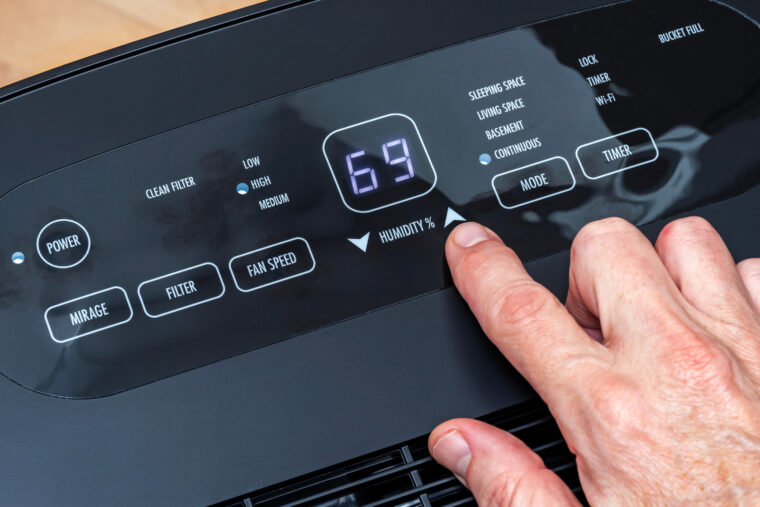
- High indoor humidity
- Condensation on basement walls
- Mold concerns
- Wood framing vulnerable to moisture damage
Without a vapor barrier, moisture can continuously migrate through the ground and building materials, increasing humidity inside your home.
However, not every home requires one. Climate, construction methods, and local building codes all influence whether a vapor barrier is recommended.
If you’re experiencing standing water or active leaks, waterproofing should be addressed before installing a vapor barrier.
Which Do I Need: A Vapor Barrier or a Waterproofer to Protect My Home?
The answer depends on the type of moisture you’re dealing with.
Choose a Vapor Barrier If:
- Moisture comes from humidity or condensation.
- Your crawl space has exposed earth.
- You’re trying to improve indoor air quality.
- You’re preventing moisture from entering insulation or drywall.
Choose Waterproofing If:
- Water leaks through foundation walls.
- Your basement floods after heavy rain.
- Groundwater seeps into the home.
- Foundation walls remain wet after storms.
You May Need Both
Many homes benefit from using waterproofing and vapor barriers together.
For example:
Exterior waterproofing keeps groundwater out.
Interior vapor barriers reduce humidity and condensation.
Together they create a much stronger moisture defense system.
When Should You Use a Vapor Barrier Rather Than a Waterproofer?
Use a vapor barrier when the problem is moisture vapor, not liquid water.
Examples include:
- Damp crawl spaces
- Humid basements
- Condensation on cool surfaces
- Moisture migrating through soil
Use waterproofing when:
- Water enters through cracks
- Basement walls leak
- Hydrostatic pressure forces water inside
- Exterior walls experience constant moisture exposure
If you can actually see water entering your home, waterproofing — not a vapor barrier — is the first solution.
Try this test:
Tape, on all four sides, a square of tinfoil to the wall. Keep it on the wall for 24 hours. If there is moisture on the wall side, you have a problem that needs a waterproofer. If you have water droplets on the room side of the foil, you have a water vapor problem. Remember, both problems can occur at the same time.
Will Mold Grow Under a Vapor Barrier?
It can — but only under certain conditions.
A properly installed vapor barrier actually helps reduce mold growth by limiting moisture.
However, mold may develop beneath or behind a vapor barrier if:
- Water becomes trapped underneath during installation.
- Existing mold wasn’t removed beforehand.
- Standing water remains in the crawl space.
- The barrier is damaged or improperly sealed.
For best results:
- Eliminate water intrusion first.
- Remove existing mold if present.
- Allow surfaces to dry completely.
- Install the vapor barrier correctly with sealed seams.
A vapor barrier should never trap active moisture inside your home.
Can You Waterproof Over Old Paint or Existing Waterproofing?
Sometimes — but preparation is critical.
Many waterproof coatings require a clean, porous surface to bond correctly. DRYLOK® Masonry Waterproofer requires a bare surface. The waterproofer enters the pores of the masonry, expands as it dries to form a watertight finish. Customers have applied DRYLOK® over existing coat with success, however the warranty is void at that point.
Waterproofing over old paint may fail because the coating cannot properly adhere to glossy or peeling surfaces.
Before applying a new waterproofing product:
- Remove loose paint.
- Repair cracks and damaged concrete.
- Clean away dirt and efflorescence.
- Follow the manufacturer’s surface preparation instructions.
If an old waterproof coating is still sound, some products can be applied over it, while others require complete removal.
Always verify compatibility before applying a new waterproofing system.
Is DRYLOK Considered a Vapor Barrier?
DRYLOK® is a waterproofer, not a vapor barrier.
DRYLOK is a masonry waterproofing coating designed to resist water penetration through concrete and masonry walls.
While DRYLOK significantly reduces moisture transmission and has low vapor permeability, it is generally not classified as a traditional vapor barrier like polyethylene sheeting.
Instead, it functions as a waterproof coating that also helps reduce vapor movement through masonry.
If your goal is complete crawl space encapsulation or code-required vapor control, a dedicated vapor barrier is usually the better choice.
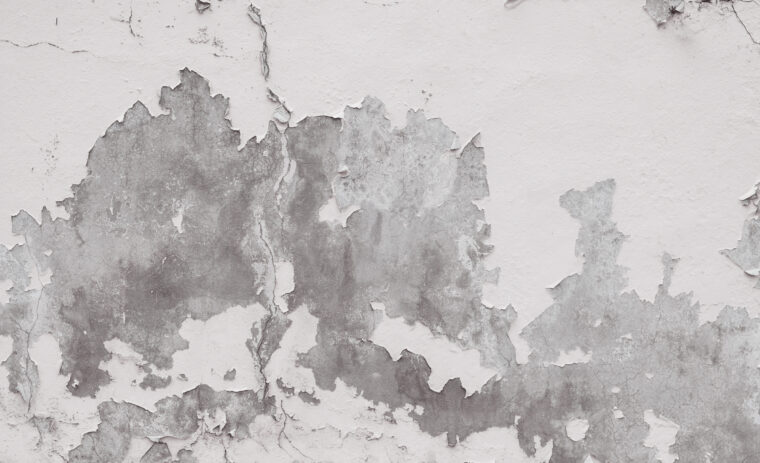
Common Signs You Need Moisture Protection
You may need waterproofing, a vapor barrier, or both if you notice:
- Musty odors
- Mold growth
- Damp basement walls
- Condensation on pipes
- Peeling paint
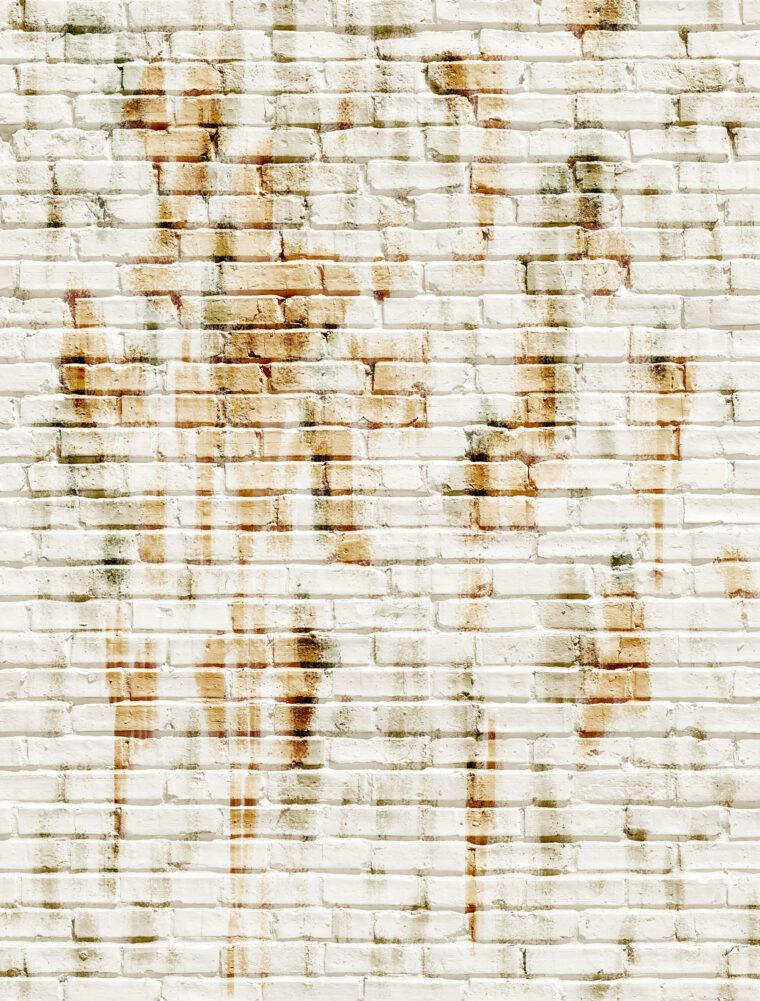
- White mineral deposits (efflorescence)
- High indoor humidity
- Water stains
- Wet crawl spaces
Ignoring these warning signs can lead to expensive structural repairs and poor indoor air quality.
Frequently Asked Questions
Can a vapor barrier stop basement leaks?
No. A vapor barrier controls moisture vapor but does not stop liquid water from entering through foundation cracks or leaks.
Can I install a vapor barrier myself?
Many crawl space vapor barriers can be installed by experienced DIY homeowners, but proper sealing and moisture control are essential for long-term performance.
Does waterproofing eliminate mold?
Waterproofing helps eliminate the moisture mold needs to grow, but existing mold should still be properly cleaned or remediated.
Can I have waterproofing without a vapor barrier?
Yes. Many homes only need waterproofing. Others benefit from adding a vapor barrier for additional humidity control.