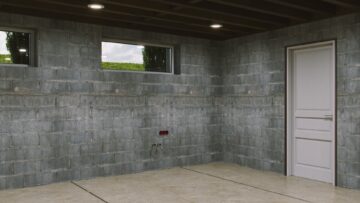
When winter loosens its grip and the spring thaw begins, all that melting snow has to go somewhere. Unfortunately, for many homeowners, it ends up in the basement.
Saturated soil, rising groundwater, pooling around foundations — it’s the perfect storm for water intrusion. The good news? With the right preparation and products, you can stop water before it becomes damage.
Below, we’re answering the most common spring basement water questions — and showing how DRYLOK® can help protect your home.
Can Melting Snow Cause Basement Flooding?
Yes — absolutely.
When snow melts quickly, especially during heavy rain or rapid temperature swings, the ground becomes saturated. Once the soil reaches its absorption limit, water looks for the path of least resistance — often your foundation walls.
Hydrostatic pressure builds against the exterior of your basement walls. That pressure can force water through:
- Hairline cracks
- Masonry pores
- Mortar joints
- Cold joints in poured concrete
Even solid concrete is porous. Over time, water will find its way in unless it’s properly sealed.
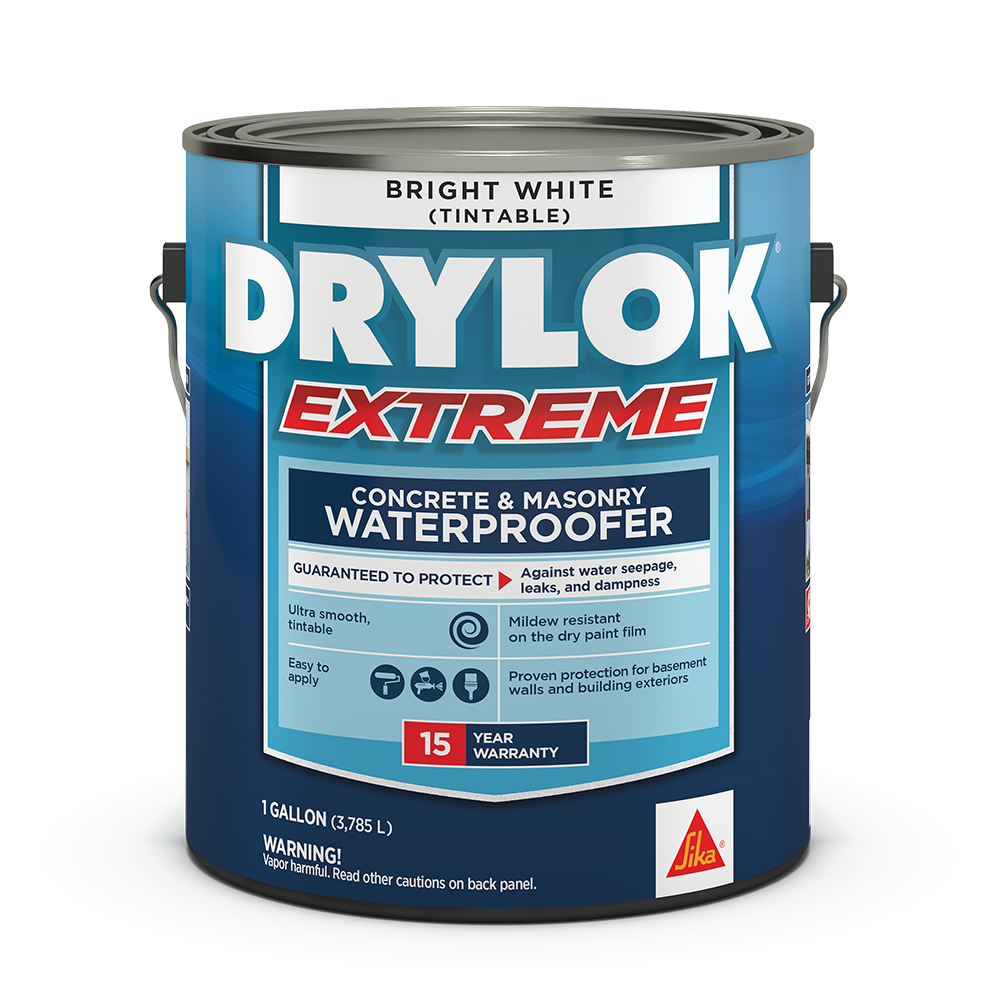
Solution: Apply a masonry waterproofing coating like DRYLOK® Extreme Masonry Waterproofer to create a waterproof barrier that resists hydrostatic pressure and stops water infiltration.
How to Stop Water from Pooling Near a House
Water pooling near your home is often the first warning sign of future basement problems.
Here’s what to do:
- Check grading – Soil should slope away from your foundation at least 6 inches over 10 feet.
- Extend downspouts – Make sure they discharge at least 5 – 10 feet away from the home.
- Clear gutters – Blocked gutters cause overflow near the foundation.
- Install splash blocks or drainage extensions.
While exterior drainage is critical, it’s only half the equation.
For added protection, seal the interior foundation walls with DRYLOK® Original or DRYLOK® Extreme to prevent moisture migration through masonry surfaces. Come spring, you can also waterproof the exterior of the foundation wall if accessible. The nice thing about DRYLOK, it can be tinted to match your siding to additionally add to the curb appeal of your home.
How to Waterproof a Foundation
Waterproofing your foundation involves both exterior water management and interior sealing.
Step 1: Surface Preparation
- Clean the surface thoroughly.
- Remove loose paint or efflorescence.
- Patch cracks and holes with hydraulic cement.
Step 2: Apply DRYLOK®
DRYLOK® Masonry Waterproofers penetrate pores and bond to the masonry surface, forming a barrier that resists water under pressure.
- Use a brush or roller designed for masonry.
- Apply two coats (follow label instructions for dry times).
- Pay special attention to joints and corners.
Once cured, DRYLOK creates a durable, waterproof surface designed to withstand spring thaw conditions.
How Do I Stop Water from Seeping Through My Foundation?
Seepage typically occurs through:
- Porous concrete
- Mortar joints
- Micro-cracks
- Cold joints in poured walls
Even if you don’t see standing water, damp walls are a warning sign.
DRYLOK® works by:
- Sealing pores in masonry
- Blocking capillary water movement
- Resisting hydrostatic pressure
- Reducing moisture vapor transmission
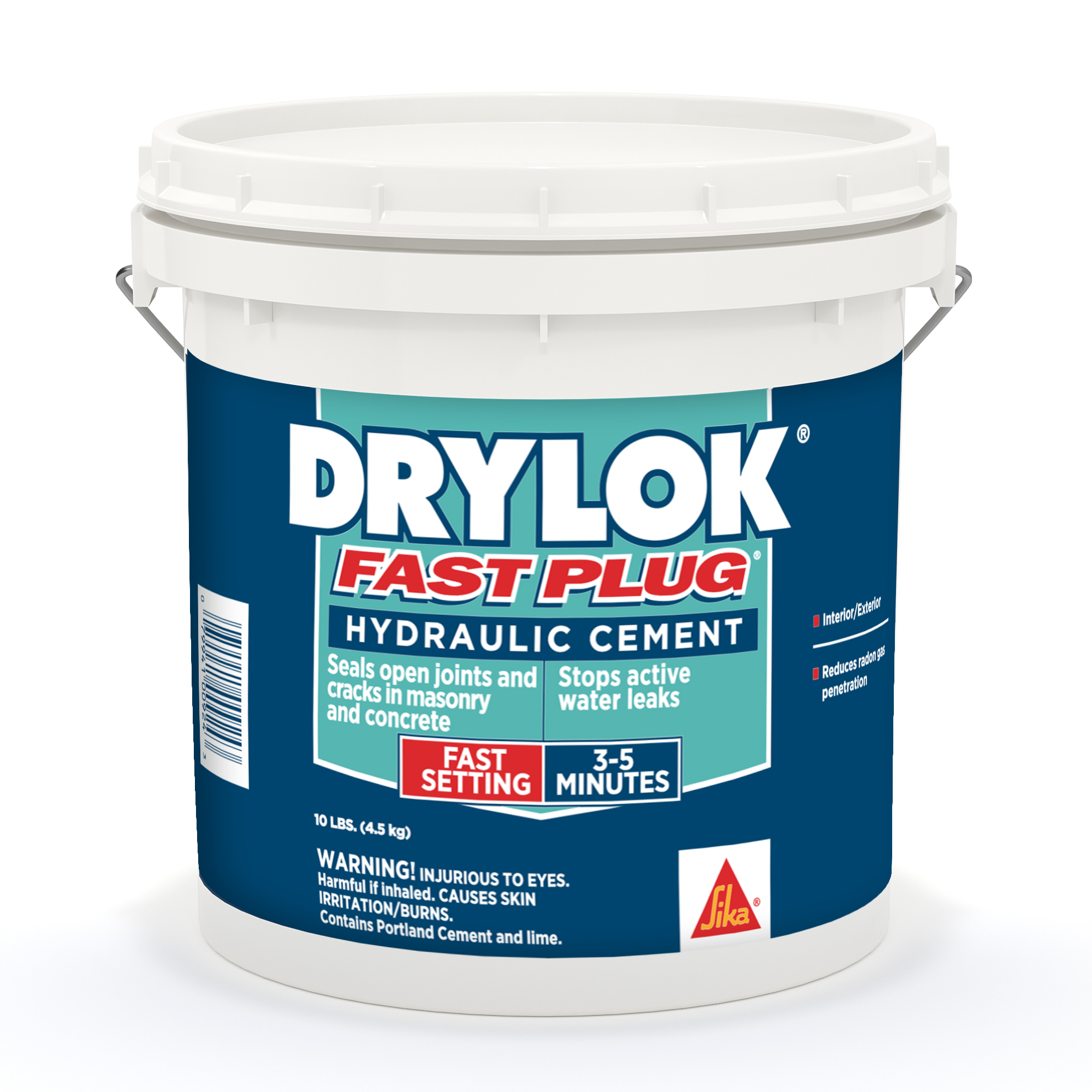
For active leaks, use DRYLOK® Fast Plug® Hydraulic Cement to stop flowing water before applying a waterproofing coating.
How to Stop Groundwater from Entering the Basement
Groundwater intrusion is often caused by high water tables during heavy rain or snowmelt.
To reduce risk:
- Improve exterior drainage
- Ensure proper grading
- Maintain sump pumps (if installed)
- Seal foundation walls with DRYLOK®
DRYLOK® Extreme Masonry Waterproofer is specially formulated to resist up to 15 PSI of hydrostatic pressure (equal to a wall of water 33 ft high), helping block groundwater from penetrating foundation walls.
Think of it as an interior shield when the ground outside becomes saturated.
How Much DRYLOK® Do I Need — and How Much Will It Cost?
The amount of product you need depends on:
- Total square footage of your basement walls
- Surface texture (rough masonry absorbs more product)
- Number of coats required
The easiest way to calculate your needs is to use the Product Calculator on the DRYLOK® website. Simply enter your wall dimensions, and it will estimate how many gallons you’ll need for proper coverage.
For pricing:
- Visit your preferred retailer or local dealer’s website.
- Search for DRYLOK® products.
- Compare gallon sizes and coverage rates.
Coverage and pricing vary by surface condition and location, so the calculator ensures you purchase the correct amount without overbuying.

How much product do you need?
Spring Is the Best Time to Act
If you’ve noticed:
- Damp basement walls
- Musty odors
- Efflorescence (white powder residue)
- Peeling paint
- Water stains
Don’t wait for heavy rain to test your foundation.
Spring thaw is when most water intrusion issues reveal themselves — and when prevention matters most.
Protect Your Basement Before the Next Storm
Water in the basement doesn’t start with flooding — it starts with moisture migration, pooling water, and hydrostatic pressure.
By combining:
- Proper exterior drainage
- Crack repair
- And a proven waterproofing barrier like DRYLOK
You can stop water before it damages your foundation, finishes, or belongings.
Visit the DRYLOK website (DRYLOK® Masonry Products: Paint, Sealer, Concrete Waterproofing) to:
- Use the Product Calculator to determine how much you need
- Learn which formula is right for your project
- Find a local dealer to check pricing and availability
This spring, don’t let melting snow turn into basement regret. Seal it, protect it, and stay dry with DRYLOK®.