It usually starts the same way.
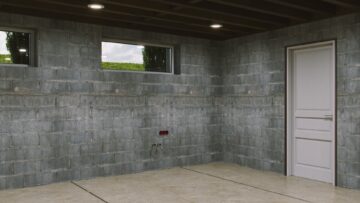
You walk into the basement after a heavy rain and notice that familiar damp smell. Maybe there’s a dark patch on the wall. Maybe the paint looks like it’s bubbling. Maybe you see that white, chalky residue creeping across the block.
At first, it doesn’t feel urgent.
But basements have a way of telling you something long before they become a big, expensive problem.
Let’s walk through what those signs mean, what waterproofing typically costs, and how long it really lasts — especially if you’re considering a product like DRYLOK.
The First Question Everyone Asks: How Much Does Waterproofing Cost?
The honest answer? It depends on the severity of the issue and the solution required.
If you’re dealing with major water intrusion and need interior drainage systems, sump pumps, or exterior excavation, most homeowners spend:
- $3,000 – $8,000 on average
- Larger or more complex jobs can exceed $10,000 – $15,000
Those numbers sound big — because structural protection is big.
But what if you’re addressing surface moisture on masonry walls?
Waterproof coatings are a much more affordable option.
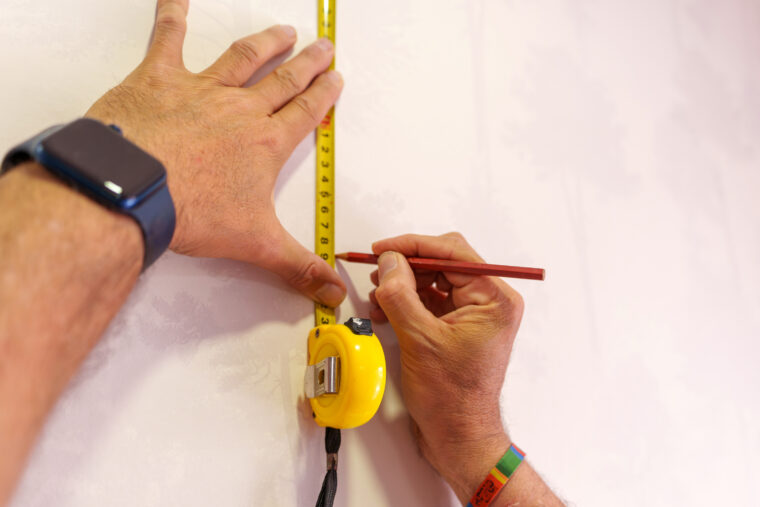
An average basement is about 1,000 square feet. If you were applying a masonry waterproofer to interior block walls:
- One gallon typically covers about 75 – 100 sq. ft.
- A 1,000 sq. ft. basement may require 10 – 15 gallons for two coats
- At roughly $35 – $49 per gallon, material cost would land around:
👉 $350 – $735 in product
That’s a fraction of what structural water damage repair can cost later.

How much product do you need?
Is It Worth Waterproofing a Basement?
Imagine selling your home and a buyer smells moisture.
Imagine finishing your basement only to have drywall ruined months later.
Imagine mold remediation bills.
Imagine priceless memories stored away in boxes – ruined!
Waterproofing is almost always worth it because it prevents:
- Mold and mildew
- Structural deterioration
- Paint and finish damage
- Decreased home value
Water problems never improve on their own. They only get more expensive.
How Do You Know Waterproofing Has Failed?
Water doesn’t sneak in quietly forever. It leaves clues.
Here are the most common signs:
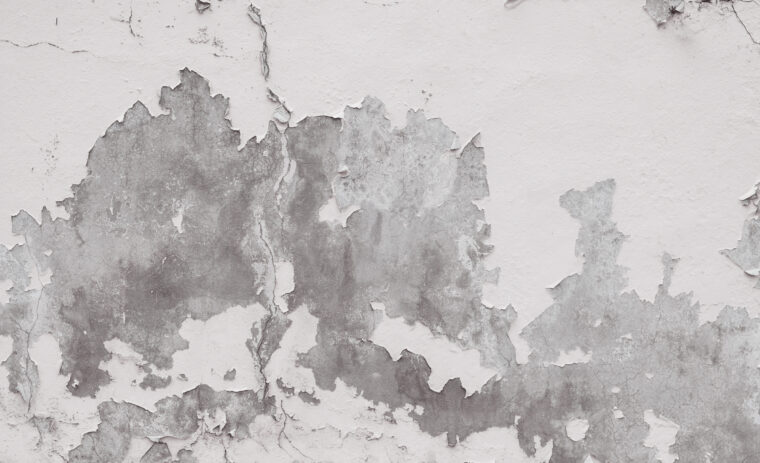
- Peeling, flaking, or blistering coating
- Damp spots after rain
- Puddles along wall-floor joints
- Musty odor
- Visible mold
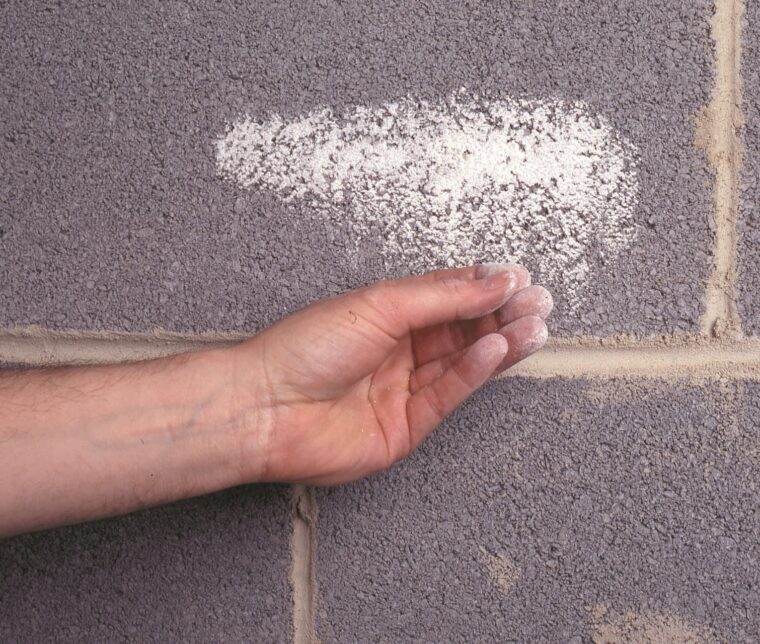
- Efflorescence (that white powdery residue on masonry)
Efflorescence is especially important. It means moisture is actively moving through the masonry and leaving mineral deposits behind. If you waterproof over efflorescence without properly cleaning and preparing the surface, the coating can fail.
And that brings us to something critical.
Why Waterproofing Fails
Most failures aren’t because the product didn’t work.
They happen because of:
- Applying over an existing coating
- Poor surface preparation
- Not removing efflorescence
- Ignoring structural cracks
- Applying to damp or dirty masonry
Waterproofing products need clean, porous masonry to properly bond. If the surface isn’t prepared correctly, even the best product won’t perform the way it should.
How Long Does Waterproofing Last?
This is another common concern.
High-quality waterproofing systems with drainage can last 20 – 30+ years.
Masonry waterproof coatings depend on proper application and environmental conditions — but here’s something many homeowners don’t realize:
The warranty does not equal the lifespan.
For example, DRYLOK offers multiple formulas with different warranties:
- Original Masonry Waterproofer – 10-year limited warranty
- Extreme Masonry Waterproofer – 15-year transferable warranty
- Floor & Wall formulas – typically around 7 years
- Some PRO formulas – up to 18 years
But when applied correctly to properly prepared masonry, waterproofing coatings often last far longer than their warranty period. The warranty simply defines the coverage window — not the expiration date of performance.
Proper prep = long-term protection.
Common Signs You Need Waterproofing
If you’re unsure whether it’s time, look for:
✔ Damp walls after heavy rain
✔ Musty basement smell
✔ White chalky deposits (efflorescence)
✔ Bubbling or peeling paint
✔ Hairline cracks in block or mortar
✔ Rusting metal near walls
These are early warning signs — and addressing them early is always less expensive than waiting.
The Real Takeaway
Waterproofing isn’t just about keeping things dry.
It’s about protecting:
- Your foundation
- Your air quality
- Your investment
- Your peace of mind
Whether you need a full drainage system or a properly applied masonry coating like DRYLOK, the most important factor is addressing the issue correctly — not just covering it up.
Because when it comes to basements, ignoring the signs doesn’t make them disappear.
It just gives water more time to win.