Waterproofing paint is often marketed as a simple, one-step solution to moisture problems — but choosing the right product requires a bit more thought. Whether you’re sealing a damp basement wall or protecting exterior concrete, understanding how these coatings work (and where they fall short) will help you avoid costly mistakes and get long-lasting results.
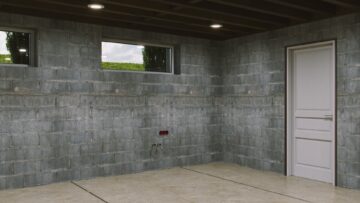
At its core, waterproofing paint is designed to seal porous surfaces like concrete and masonry. Unlike standard paint, it doesn’t just sit on the surface — it penetrates tiny pores and forms a barrier that blocks water from seeping through. This makes it especially useful in areas exposed to moisture, such as foundations, retaining walls, and basements.
What are the Drawbacks of Waterproof Paint?
However, one of the most common misconceptions is that waterproof paint can solve any water problem. In reality, it has its limitations. One of the biggest drawbacks is that it is not a structural fix. If your walls have cracks or active leaks, paint alone won’t stop the issue. In some cases, applying it over a poorly prepared surface can even trap moisture inside the wall, leading to peeling, bubbling, or mold growth over time. That’s why proper surface preparation — cleaning, patching, and often etching — is just as important as the product you choose.

Which Brand is Best for Waterproofing?
When it comes to brands, many homeowners turn to DRYLOK®, one of the most recognized names in masonry waterproofing. It is widely trusted for basement walls and concrete surfaces. However, beyond looking at brands with a long history of waterproofing and a good reputation, it’s about choosing a product that matches your specific surface type and moisture conditions.
How Many Coats Do I Need?
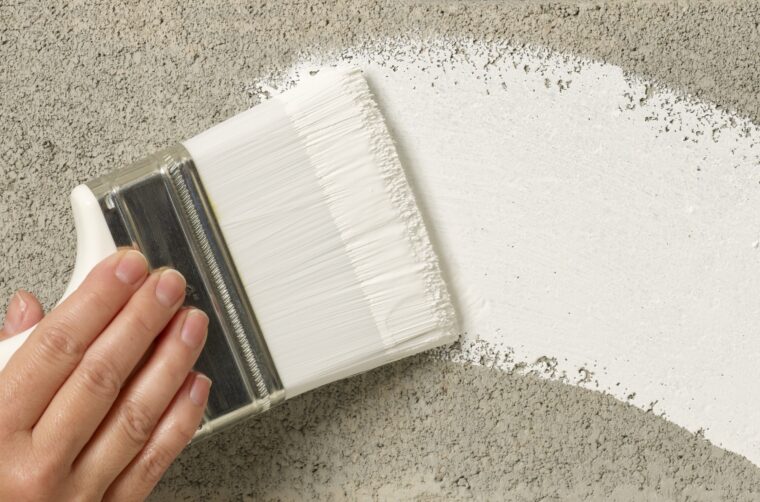
If you do choose DRYLOK®, proper application is essential to its performance. Most projects require at least two coats to be effective. The first coat penetrates the pores of the concrete, while the second forms a protective barrier. In areas with persistent dampness, a third coat may be beneficial. Skipping coats or applying them too thinly can significantly reduce effectiveness.

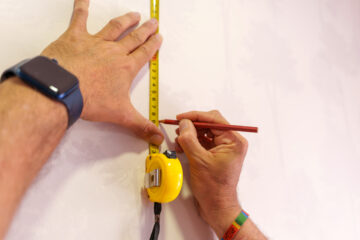
How much product do you need?
Is DRYLOK® Really Worth It?
This leads to a common question: Is DRYLOK® actually worth it? For decades, many homeowners have found it to be a reliable solution — but only under the right conditions. It performs well in areas with moisture, dampness, or seasonal water issues. However, it should not be viewed as a replacement for proper drainage or as a solution for serious structural problems. If water pressure is causing cracks or pushing against your foundation, those underlying issues must be addressed first.

Does DRYLOK® Need a Topcoat?
One advantage of DRYLOK® is its convenience. It does not require a separate topcoat, as it acts as both a sealer and a finished surface. If appearance matters, you can apply a compatible latex paint over it. Additionally, DRYLOK® can often be tinted at the paint counter, making it a practical option for both utility spaces and more finished areas.
Does DRYLOK® Penetrate Concrete?
A major reason waterproofing paints like DRYLOK® are effective is their ability to penetrate concrete. Rather than forming a thin film on top, they bond with the material itself, creating a more durable barrier against water intrusion. This is what separates them from standard paints, which are typically only water-resistant.
Is a Waterproofer the Same as a Water Sealer?
That distinction is critical. Waterproofing and water sealing are not the same thing. A true waterproof coating is designed to stop water penetration — even under pressure (known as hydrostatic pressure, measured in PSI). A water sealer, on the other hand, mainly slows absorption and blocks vapor, but it will not stop water from being forced through a surface. For below-grade or masonry applications, true waterproofing is essential.
How Long Does Waterproofing Last?
Of course, no coating lasts forever. The lifespan of waterproofing paint depends on surface preparation, environmental conditions, and the level of water exposure. In general, a properly applied product can last anywhere from 7 to 15 years or more. Regular inspection and maintenance play a major role in extending its life.
What is the Biggest Cause of Failure of a Waterproofer?
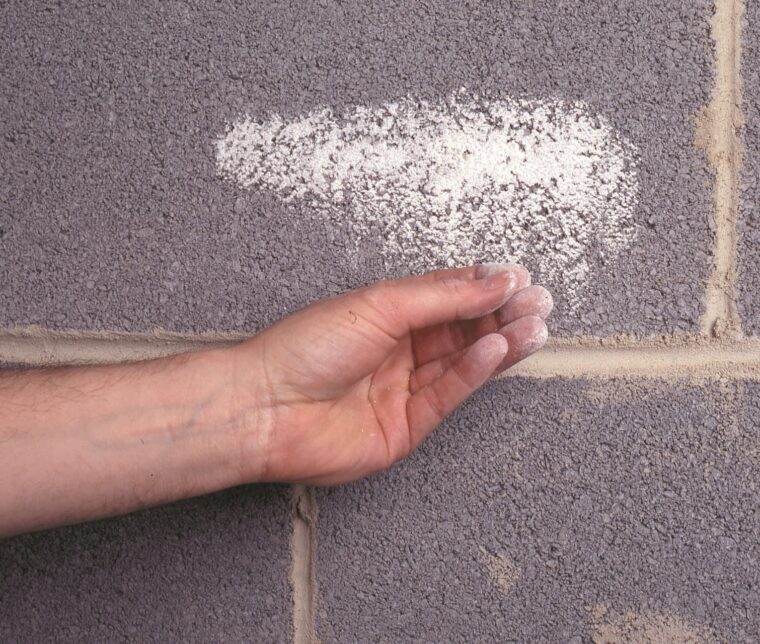
One of the biggest causes of waterproofing failure is efflorescence. This appears as a white, powdery salt deposit that forms when moisture moves through masonry. It can occur even after a waterproof coating has been applied. As these salts push through the surface, they can cause the coating to bubble and weaken, eventually leading to failure. To prevent this, inspect your surfaces regularly. If you notice efflorescence, it should be neutralized with an appropriate etching or cleaning solution, then rinsed thoroughly. Once the surface is fully dry, the coating can be reapplied in those areas.
In the end, choosing the right waterproofing paint comes down to understanding your project. Consider the type of surface, the level of moisture exposure, and the limitations of the product. Waterproofing paint can be a powerful and effective solution when used correctly — but it works best as part of a broader moisture control strategy.
That strategy should include simple but critical steps like keeping gutters clean, directing downspouts away from the foundation, removing materials that trap moisture against the wall, and ensuring the ground slopes away from your home. These measures reduce the amount of water reaching your foundation in the first place.
With the right expectations, proper preparation, and correct application, waterproofing paint can provide long-lasting protection and help keep your space dry for years to come.